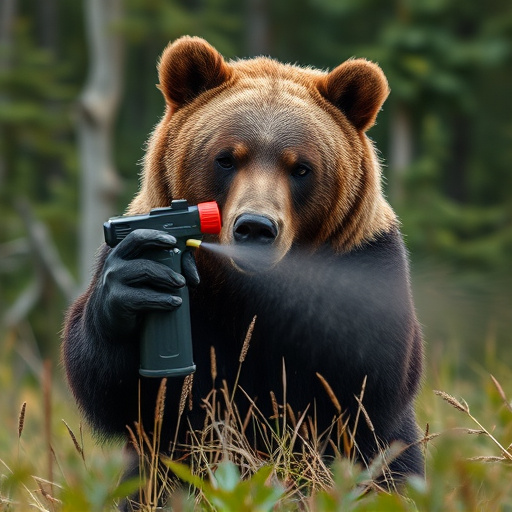
Understanding bear behavior and using bear repellent sprays with high capsaicin concentration (10%+) are key for safe hiking. Capsaicin disrupts bears' sense of smell and taste, effective at close range (face/muzzle) application. Proper usage techniques, including spray pattern and coverage time, enhance effectiveness in various weather conditions. Practice beforehand is crucial for optimal use in wild environments.
When venturing into bear country, packing a reliable bear repellent spray is no longer just recommended—it’s a necessity. Understanding bear behavior and the science behind repellents, such as capsicins, is key to ensuring your safety during outdoor adventures. This guide explores the crucial role of bear repellent sprays, delving into active ingredient strengths, selection criteria, application methods, and more, to help hikers make informed choices for maximum protection.
- Understanding Bear Behavior: Why Repellents Are Crucial
- Decoding Capsaicin: The Active Ingredient's Power
- Choosing the Right Spray: Factors to Consider
- Application Techniques: Maximizing Effectiveness in the Wild
Understanding Bear Behavior: Why Repellents Are Crucial
Understanding bear behavior is key to ensuring a safe hiking experience. Bears are wild animals with powerful instincts, and they often associate humans with food sources due to past interactions and easy access to campsites. While encounters can be rare, a sudden attack can be devastating. That’s why knowing how to deter them is essential for any hiker venturing into bear country.
Bear repellent sprays have become indispensable tools for hikers. The active ingredient in many of these sprays is capsaicin, the same compound that gives chili peppers their heat. A high capsaicin concentration in bear repellent creates an effective barrier, causing bears to avoid the area due to the intense irritation it causes. This simple yet powerful tool ensures hikers can enjoy the outdoors while minimizing potential risks from these majestic creatures.
Decoding Capsaicin: The Active Ingredient's Power
Bear repellent spray is an essential tool for hikers navigating wild terrain, but understanding its active ingredient—capsaicin—is crucial to appreciating its effectiveness. Decoding capsicin reveals a powerful compound derived from chili peppers that provokes a strong reaction in bears when used appropriately. The capsaicin concentration in bear repellent plays a significant role in its potency; higher concentrations offer longer-lasting protection, making them ideal for extended hikes or regions with high bear activity.
This natural irritant disrupts a bear’s sense of smell and taste, creating an unpleasant experience that reinforces their natural aversion to humans. Repellents containing a concentration of 10% or higher capsicin are particularly effective, ensuring hikers stay safe during their outdoor adventures.
Choosing the Right Spray: Factors to Consider
When selecting a bear repellent spray, understanding its active ingredients and capsaicin concentration is paramount. Capsaicin, derived from chili peppers, is commonly used as the key ingredient due to its effectiveness in deterring bears. The strength of capsaicin is measured in percent or Scovile Heat Units (SHU), with higher concentrations offering longer protection.
Other factors to consider include application method, spray pattern, and duration of protection. Some sprays require multiple applications during a hike, while others provide long-lasting coverage. Weather conditions can also impact performance, so check product specifications for optimal usage guidelines, especially in damp or windy environments.
Application Techniques: Maximizing Effectiveness in the Wild
When using bear repellent spray, understanding application techniques is key to maximizing its effectiveness in wild environments. One of the primary factors influencing performance is the capsaicin concentration. Active ingredients like capsaicin, derived from chili peppers, disrupt bears’ olfactory senses and create an unpleasant experience, discouraging them from approaching. For optimal results, it’s crucial to spray directly towards the bear’s face and muzzle at close range, as this area is highly sensitive.
Ensure a thorough application by spraying in short bursts or continuous streams until you’ve covered the bear with a thick layer of repellent. It’s important not to underestimate the power of these scents—a single, well-placed spray can deter an aggressive bear. Practice using the spray beforehand to become familiar with its range and effectiveness, allowing you to make adjustments on the trail if necessary.
In light of the insights gained from understanding bear behavior and the power of capsaicin as an active ingredient, choosing and effectively using the right bear repellent spray is an indispensable tool for any hiker or outdoorsman. Navigating the wilderness requires preparation, and in areas where bears roam, a reliable bear repellent can be a game-changer. Remember that the right concentration of capsaicin, combined with proper application techniques, ensures maximum effectiveness against potential bear encounters. So, whether you’re trekking through bustling forests or venturing into remote territories, always keep a high-quality bear repellent spray close at hand as a crucial safety measure.